
When Minnesota temperatures drop, fireplaces, furnaces, and heating systems start working overtime. Before you settle in for another long winter, it’s worth making sure your home is ready for the extra demand. Heating equipment, clogged dryer vents, and neglected chimneys can all create fire hazards. Fortunately, a little preventative maintenance can go a long way toward protecting your home and family.
Haven Builders is here to help! We’ve put together a list of the most frequently asked fire prevention questions and a winter fire safety checklist to help you stay safe this season.
How Often Should You Clean and Inspect Your Fireplace or Chimney? 
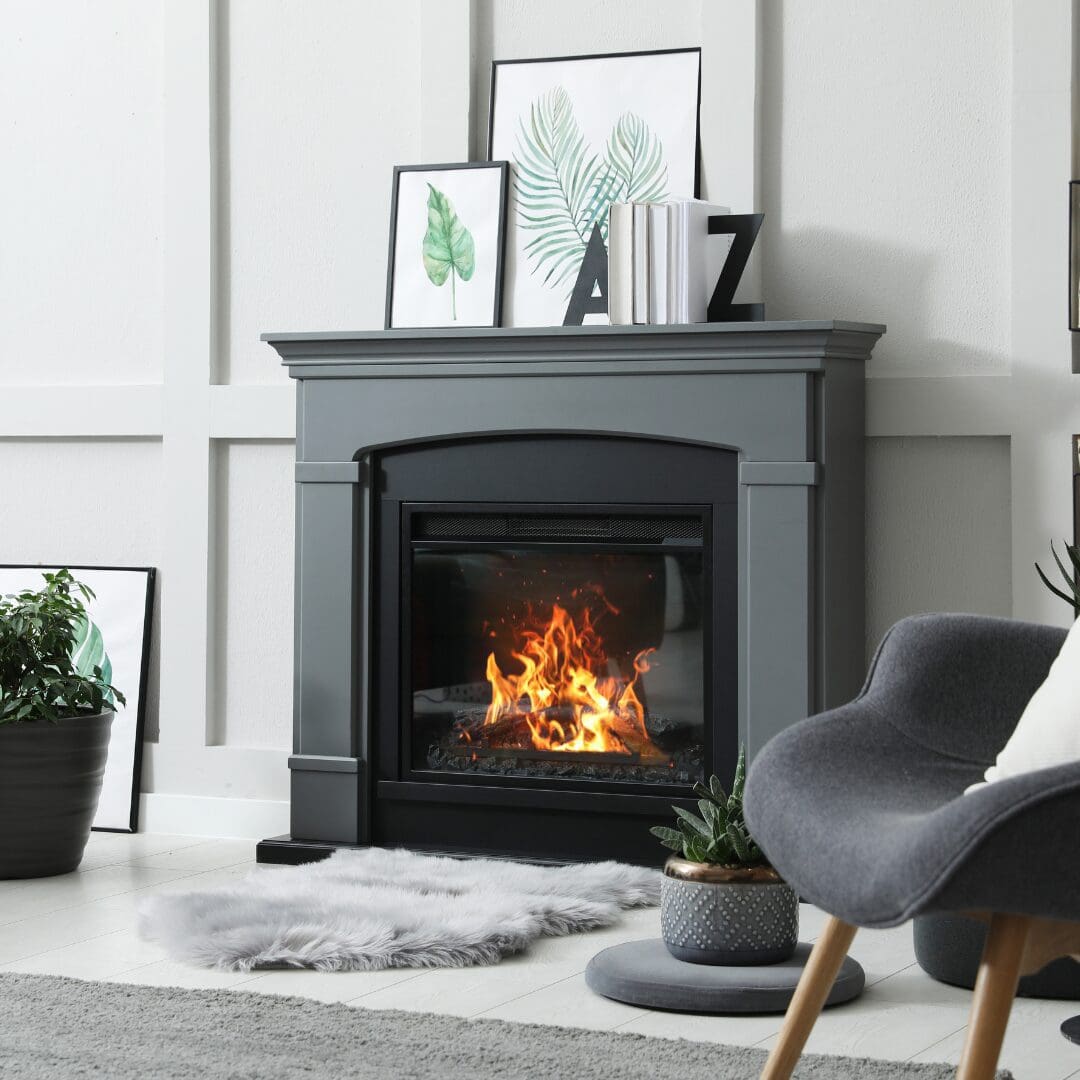
There’s nothing quite like a warm fire on a cold Minnesota evening. But creosote, soot, and debris can build up inside your chimney, increasing the risk of a chimney fire.
Before using your fireplace this winter:
 Schedule an annual chimney inspection.
Have a qualified professional inspect your chimney and clean it as needed.
Creosote Removal:
Clean the chimney whenever 1/8 inch of creosote (a highly flammable, tar-like byproduct of burning wood) accumulates on the chimney walls.
Check for blockages.
Bird nests, leaves, and other debris can prevent proper ventilation.
Install a Chimney Cap.
Install a mesh chimney cap to keep out rain, snow, debris, and animals, while also acting as a spark arrestor to prevent embers from landing on your roof.
Use seasoned, dry firewood.
Wet or green wood produces more smoke and can contribute to creosote buildup.
Keep flammable materials away.
Maintain a safe distance between your fireplace and furniture, decorations, or other combustible items.
Use a protective screen.
Keep sparks and embers from escaping into your living space.
Safely Dispose of Ashes.
Allow ashes to cool for at least 24 hours. Use a metal shovel to place them into a tightly sealed metal container. Store the container outside, far away from your house or deck, and douse with water.
Whether you have a wood-burning fireplace or gas fireplace, regular professional maintenance helps keep it operating safely.
Furnace Fire Safety: What Maintenance Should You Do Before Winter? 
Your furnace works hard during Minnesota winters, and regular maintenance is important for both safety and efficiency. A few simple furnace safety tips include:
Schedule an annual furnace inspection.
A qualified HVAC technician can check for potential safety concerns and ensure everything is operating properly.
Replace furnace filters regularly.
Follow the manufacturer’s recommendations to maintain proper airflow.
Keep the area around your furnace clear.
Avoid storing boxes, cleaning supplies, or other flammable materials nearby.
Check vents and exhaust pipes.
Make sure they’re free from obstructions, including snow and ice around exterior openings.
Install carbon monoxide detectors.
Fuel-burning heating systems can produce dangerous carbon monoxide if something goes wrong.
If your furnace makes unusual noises, produces strange odors, or isn’t heating properly, have it inspected by a professional.
How Often Should You Clean Your Dryer Vent to Prevent a Fire? 
Your clothes dryer might not seem like an obvious fire hazard, but lint buildup is a serious concern: According to the U.S. Fire Administration, failure to clean was the leading contributing factor in home clothes dryer fires from 2018 to 2020.
Cleaning your lint trap after every load is important, but it doesn’t remove the lint that accumulates inside your dryer vent.
To help prevent a dryer vent fire:
Clean the lint filter after every load.
Clean the dryer exhaust vent at least once a year, or more frequently if needed.
Check that the outdoor vent flap opens freely and isn’t blocked by snow, ice, or debris.
Watch for warning signs like clothes taking longer than usual to dry or becoming excessively hot.
Keep clothing, boxes, and other flammable materials away from your dryer.
Never leave your dryer running while you’re sleeping or away from home.
Can you clean a dryer vent yourself?
Depending on your dryer’s vent configuration, you may be able to clean it using a dryer vent cleaning kit. Some kits include flexible brushes that attach to a cordless drill to help remove accumulated lint. We recommend finding a kit like this one if you plan to clean your vent yourself.
Always follow the manufacturer’s instructions, and consider professional dryer vent cleaning for long, complicated, or difficult-to-access vent systems.
Don’t Forget Your Smoke and Carbon Monoxide Detectors 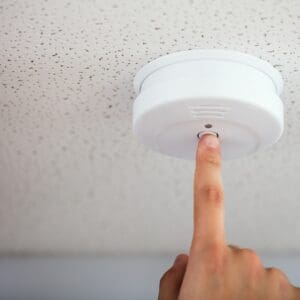
Even with proper maintenance, every home needs working smoke and carbon monoxide alarms. These small steps can make a big difference when seconds count.
Before winter, take a few minutes to:
Test smoke and carbon monoxide alarms according to manufacturer recommendations.
Replace batteries when needed.
Check expiration dates and replace outdated alarms.
Make sure smoke alarms are installed inside bedrooms, outside sleeping areas, and on every level of your home.
Review your family’s fire escape plan and make sure everyone knows what to do in an emergency.
Pro Tip: Keep smoke alarms at least 10 feet away from cooking appliances to prevent false alarms from steam and smoke and at least 3 feet away from bathroom doors to avoid false triggers from shower steam and humidity.
What Should You Do If Your Home Has Fire or Smoke Damage?

Even the most careful homeowners can experience an unexpected fire. If it happens, your first priority is getting everyone out safely and calling 911. Once the fire department confirms it’s safe to return, addressing fire, smoke, soot, and water damage quickly can help prevent additional problems.
At Haven Builders, we understand how overwhelming property damage can be. Our team provides fire damage restoration services to help homeowners recover, repair, and rebuild after the unexpected.
Whether you’re dealing with smoke damage, structural repairs, or a larger restoration project, we’re here to help. Contact Haven Builders to learn more about our fire damage restoration services.
Download our Fall Fire Safety & Maintenance Checklist!
For more home safety and maintenance tips, subscribe to our monthly newsletter!