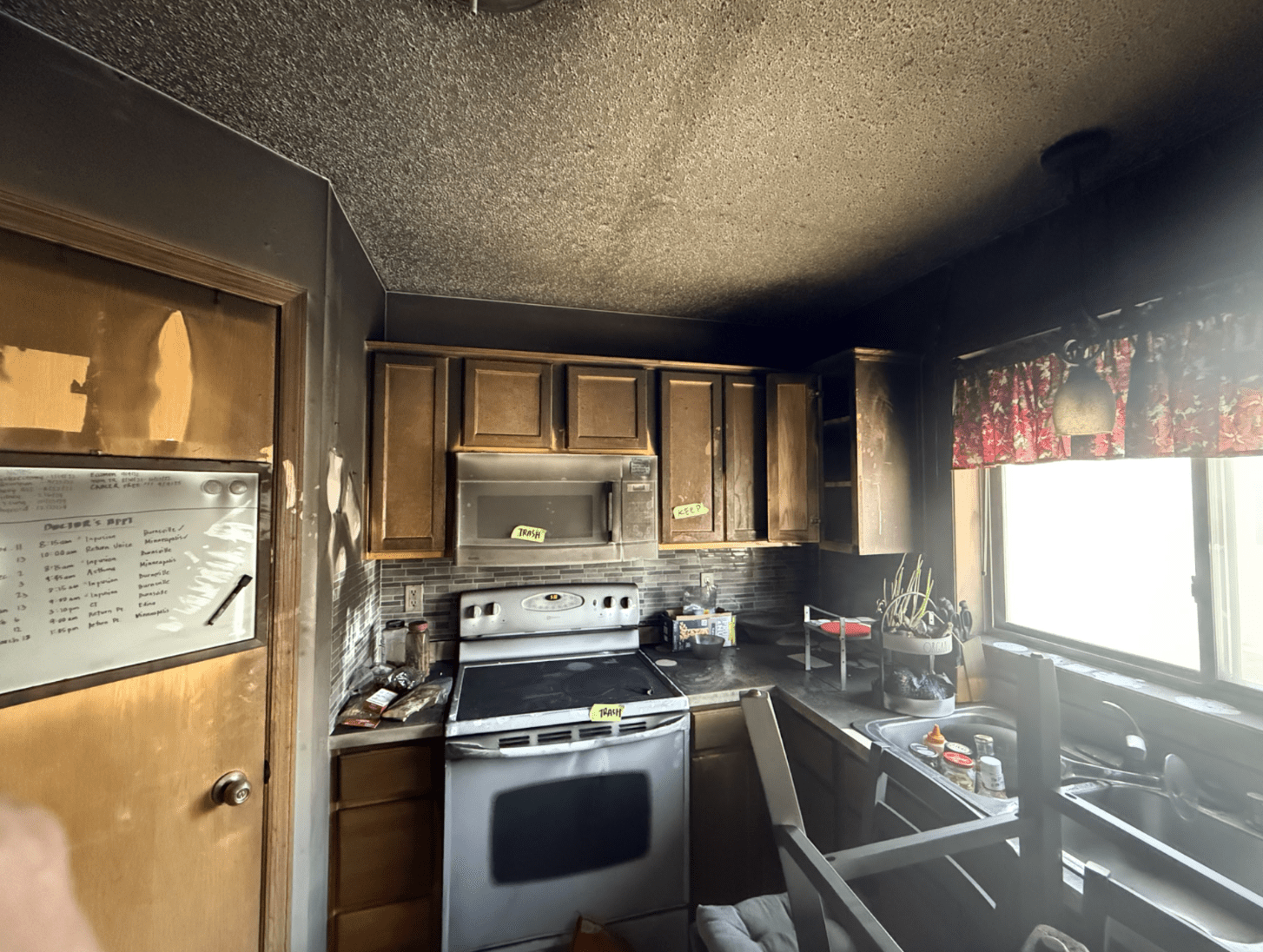
A house fire is something no homeowner ever wants to experience. Even a small fire can leave behind major damage, including smoke stains, soot buildup, lingering odors, and structural issues. After the initial shock wears off, many homeowners are left wondering: “What happens next?”
At Haven Builders, we help homeowners through the fire damage restoration process from start to finish, helping restore homes safely and efficiently.
Fire Damage Is More Than What You Can See
After a fire, the visible damage is only part of the problem. Smoke and soot can spread throughout the home, settling into walls, ceilings, flooring, furniture, and even HVAC systems. On top of that, water used to extinguish the fire can create additional damage that needs to be addressed quickly.
Professional fire restoration helps:
- Remove smoke and soot residue
- Eliminate lingering smoke odors
- Repair damaged walls, floors, and structures
- Restore affected areas safely and properly
- Prevent additional damage from water or moisture
A fast response can help minimize long-term damage and speed up the recovery process.
The Fire Restoration Process
Every fire restoration project is different, but the process typically starts with a detailed inspection of the damage. Our team at Haven Builders works closely with homeowners and insurance companies to create a clear restoration plan and help move the project forward smoothly.
The restoration process may include:
- Damage inspections and assessments
- Coordinating with insurance providers
- Smoke and soot cleanup
- Odor removal
- Structural repairs and reconstruction
- Material selections and rebuild planning
- Final walkthroughs to ensure quality completion
The goal is to restore your home to a safe, comfortable, pre-loss condition while helping reduce stress during an already difficult time.
Working with Fire Restoration Professionals
Trying to clean up fire damage without professional help can lead to ongoing problems. Smoke residue can continue causing damage long after the fire is out, and hidden moisture from firefighting efforts can lead to mold or structural concerns if not properly handled.
Working with an experienced restoration contractor helps ensure:
- Damage is fully assessed
- Repairs are completed correctly
- Safety concerns are addressed
- Insurance documentation is properly handled
- Your home is restored as efficiently as possible
At Haven Builders, the team combines restoration expertise with remodeling and reconstruction experience, helping homeowners navigate every step of the process.
Helping Homeowners Move Forward
Recovering from a house fire can feel overwhelming, but you do not have to go through it alone. Haven Builders provides fire damage restoration services throughout the Twin Cities metro, helping homeowners restore their homes and move forward with confidence.
We hope you never need our fire restoration services, but if you do, Haven Builders is here to help.
———-
Check out our Fire FAQs:
Ensure everyone is safe and accounted for. Do not re-enter the home until authorities declare it safe. Contact emergency services if not already done. Notify your insurance company as soon as possible to start the claims process. Secure temporary housing if needed, and contact organizations like the American Red Cross for immediate assistance with shelter, food, and supplies.
Contact your insurance provider immediately. Document the damage with photos or videos before moving anything, if safe to do so. Make a detailed list of damaged or lost items, including receipts or proof of value if available. Your insurer will assign an adjuster to assess the damage and guide you through the claims process.
Do not start cleanup until authorities and your insurance adjuster approve. Professional fire restoration services are often needed for smoke, soot, and water damage from firefighting efforts. Avoid touching damaged items to prevent further harm or health risks from soot and chemicals. Wear protective gear if allowed to begin cleanup.
Smoke inhalation can cause respiratory issues, even if not immediately apparent—seek medical attention if you experience symptoms like coughing or dizziness. Soot and ash may contain toxic chemicals, so avoid direct contact and use protective equipment. Mental health support may also be needed to cope with trauma or loss.
Contact relevant agencies to replace documents like IDs, passports, birth certificates, and property deeds. For example, visit your state’s DMV for a driver’s license, the Social Security Administration for a Social Security card, or the county recorder for property records. Your insurance provider may assist with documenting losses for claims.
A fire escape plan should include at least two exit routes from every room, a designated meeting point outside (e.g., a neighbor’s house or a tree), and a clear path to safety. Ensure all household members, including children, know the plan. Practice it twice a year, including at night, to simulate different scenarios. Account for special needs, like mobility aids or pets, and assign roles to ensure everyone is accounted for.
Smoke and water damage often require professional restoration services, as soot is corrosive and water can lead to mold. Contact a fire restoration company approved by your insurer. They’ll use specialized equipment to remove soot, deodorize, and dry out affected areas. Avoid using wet electronics or furniture until assessed to prevent further damage.
It depends on the extent of the damage. Even small fires can leave hazardous smoke residue or compromise structural safety. A fire inspector or building official must assess the home before re-entry. If allowed to stay, ensure proper ventilation and have utilities (like electricity and gas) checked for safety.
Discard any food, beverages, or medications exposed to heat, smoke, or firefighting chemicals, as they may be contaminated. Canned goods may be salvageable if undamaged and properly cleaned, but consult your insurer or a professional. For medications, contact your pharmacy or doctor for replacements, and inform your insurance provider for potential reimbursement.
Notify your landlord immediately, as they are responsible for structural repairs. Your renters’ insurance should cover personal belongings and temporary housing costs. Review your lease for details on responsibilities. If uninsured, contact local aid organizations for support. Document all damage to your possessions for any claims or disputes.
Recovery time varies based on the fire’s severity, insurance processing, and repair scope. Minor damage may take weeks, while major structural repairs could take months. Insurance claims typically start within days, but full restoration, including rebuilding, could extend to 6–12 months. Stay in regular contact with your adjuster for updates.
Smoke odor lingers and often requires professional remediation. Restoration experts use ozone generators, thermal fogging, or specialized cleaning to neutralize odors. Avoid DIY cleaning, as improper methods can set smells deeper into materials. Wash or dry-clean salvageable clothes, and replace air filters in HVAC systems to prevent odor recirculation.
Review the denial letter to understand the reason. Gather evidence like photos, receipts, or repair estimates to support your case, and appeal the decision with your insurer, following their process. If unresolved, contact your state’s insurance commissioner for assistance or consider hiring a public adjuster or attorney specializing in insurance claims.
Fires can release hazardous materials like asbestos, lead, or chemical residues from burned plastics. Avoid handling debris without protective gear. Hire licensed professionals for cleanup, especially if hazardous materials are suspected. Firefighting foam or water runoff may contaminate soil or water sources, so consult local environmental agencies for guidance.
Check if your insurance covers Additional Living Expenses (ALE), which can pay for hotels, rentals, or meals. Keep receipts for all related costs. If uninsured, contact the American Red Cross or local shelters for immediate housing. For longer-term needs, explore FEMA aid (if applicable) or local housing assistance programs.