


June is one of the most active months for severe weather in Minnesota. While summer storms can bring much-needed rain, they can also bring damaging hail capable of impacting your roof, siding, windows, and other exterior surfaces. Unfortunately, not all storm damage is obvious from the ground, which is why it’s important for homeowners to know what to look for after a hailstorm.
Haven Builders is here to help homeowners assess storm damage, navigate the insurance claims process, and restore their homes following severe weather events.
Signs of Hail Damage on Your Roof 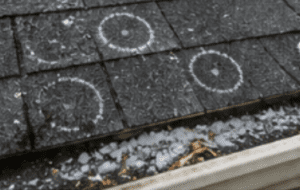
Your roof is often the first line of defense during a hailstorm, and it can take a significant beating. Depending on the size and speed of the hail, damage may range from minor cosmetic issues to compromised roofing materials that can lead to leaks and premature roof failure.
Common signs of roof hail damage include:
- Missing or damaged shingles
- Dark spots or bruising on asphalt shingles
- Granule loss in gutters or downspouts
- Cracked shingles
- Dented roof vents, flashing, or metal components
Because many roofing issues aren’t visible from the ground, a professional inspection is often the best way to determine whether repairs are needed.
Don’t Overlook Siding Damage 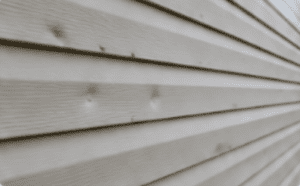
Hail doesn’t just affect roofs. Vinyl, aluminum, steel, and fiber cement siding can all sustain damage during severe storms.
Watch for:
- Dents or dings in siding panels
- Cracks or chips
- Broken corners or edges
- Damage to trim, soffits, and fascia
Even if the damage appears cosmetic, compromised siding can allow moisture to penetrate your home’s exterior, potentially leading to larger issues down the road.
Window and Glass Damage After a Storm 
Hail can also damage windows, screens, and glass doors. While shattered glass is easy to spot, smaller cracks or weakened seals may not be immediately noticeable.
After a hailstorm, inspect for:
- Cracked or chipped glass
- Damaged window screens
- Broken storm windows
- Drafts or moisture between panes
Addressing window damage promptly can help maintain your home’s energy efficiency and prevent additional water intrusion.
Understanding the Insurance Claim Process
If your home has been impacted by hail, filing an insurance claim may help cover repair or replacement costs. While every policy is different, the process typically includes:
- Documenting the damage with photos and notes.
- Scheduling a professional inspection.
- Contacting your insurance company to report the damage.
- Meeting with an insurance adjuster.
- Completing approved repairs or restoration work.
The insurance process can be overwhelming, but having an experienced restoration contractor on your side can help simplify the process and ensure all storm-related damage is properly identified and documented.
Why Professional Inspections Matter
One of the biggest mistakes homeowners make after a hailstorm is assuming that no visible damage means everything is fine. Hail damage is not always easy to spot, especially on roofing materials where bruising and impact damage may not be obvious until problems develop later.
A professional inspection can identify hidden issues before they turn into leaks, water damage, mold growth, or costly repairs. Early detection can also be important when working within insurance claim deadlines.
Haven Builders is Here to Help
If you suspect your home may have been affected by a recent storm, don’t wait to have it inspected. Haven Builders provides storm damage restoration services, roof repair and replacement, siding repair, insurance claim assistance, and comprehensive restoration solutions to help homeowners recover after severe weather.
We hope you’ll never need to utilize our storm damage restoration services, but if you do, Haven Builders is here to help. Our experienced team is committed to leading homeowners through the restoration process and helping return homes to their pre-storm condition as smoothly as possible. If your home has been impacted by a summer storm, contact us today for your free inspection.